
The Messengers of the Body: A Simple Guide to Your Hormones
(A general wellness guide, not medical advice.)
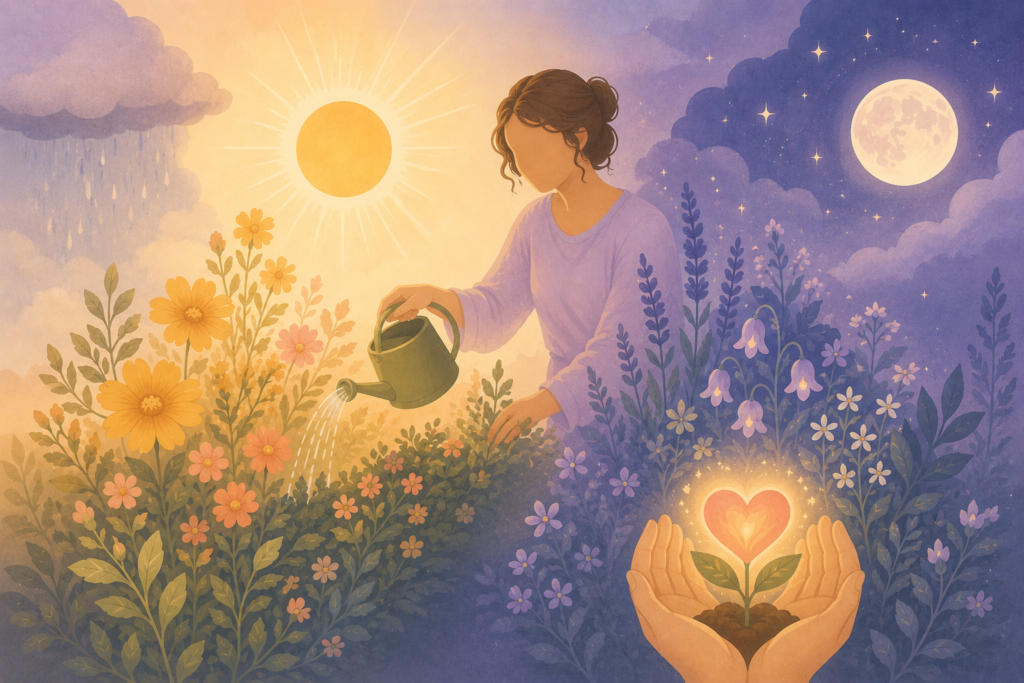
Think of your body as a garden. Hormones are like the weather — they can bring sunshine and growth, or they can bring a storm. Your brain is the one watching the weather and deciding which chemicals to release into your blood.
1. Oxytocin: The “Cuddle” Hormone
- When it’s made: This is released when we feel love, trust, and connection. It happens when you hug a friend, bond with a pet, or even spend time with a loved one.
- The effect: It helps us feel safe and connected to others. It lowers stress and makes us feel a sense of belonging.
2. Cortisol: The “Stress” Hormone
- When it’s made: Your brain releases this when it thinks you are in danger. In the past, this helped us run away from predators. Today, it might be triggered by a difficult boss or heavy traffic.
- The effect: It gives you a quick burst of energy to handle a “threat.” However, if you stay stressed for too long, high cortisol can make you feel tired, anxious, and even sick, because it tells your immune system to “rest” while you deal with the emergency.
3. Serotonin: The “Mood Stabiliser”
- When it’s made: Often called the “daytime” chemical, it’s triggered by sunlight and helps us feel awake and focused.
- The effect: It keeps our moods balanced and helps us feel calm and happy. As evening falls, your body converts serotonin into melatonin — so what keeps you steady during the day quietly becomes the raw material for your night’s sleep.
4. Melatonin: The “Sleep” Hormone
- When it’s made: When the sun goes down and it gets dark, your brain converts the day’s serotonin into melatonin.
- The effect: It tells your body it’s time to rest. It helps you fall asleep so your body can repair itself overnight.
5. Dopamine: The “Reward” Hormone
- When it’s made: This is released when we achieve a goal, find something we like, or experience pleasure.
- The effect: It gives us a “rush” of good feelings. It motivates us to keep going and reach for our dreams.
6. Endorphins: The “Painkiller”
- When it’s made: Your brain releases these in response to pain or intense exertion — think a hard workout, laughter, or even eating spicy food.
- The effect: They act like a natural painkiller and can bring on a wave of euphoria (that’s the “runner’s high” people talk about). They help you push through discomfort and can leave you feeling calm afterward.
7. Testosterone: The “Drive” Hormone
- When it’s made: Produced mainly in the testes (and in smaller amounts in the ovaries and adrenal glands), it’s often linked to strength training, competition, and confidence-building moments.
- The effect: It supports muscle growth, energy, and motivation. It plays a role in libido and can influence assertiveness and drive — in both men and women, though levels and effects differ.
8. Estrogen: The “Cycle” Hormone
- When it’s made: Produced mainly in the ovaries, estrogen rises and falls across the menstrual cycle and shifts significantly across life stages like puberty, pregnancy, and menopause.
- The effect: It regulates the reproductive cycle and supports bone, heart, and skin health. It also interacts with mood and energy — many people notice shifts in focus or emotional sensitivity as estrogen levels change through the month.
9. Progesterone: The “Calming” Hormone
- When it’s made: Released after ovulation, it rises in the second half of the menstrual cycle and increases substantially during pregnancy.
- The effect: Often called nature’s tranquilliser, it has a calming, sleep-supportive effect. It helps prepare and maintain the body for pregnancy, and a drop in progesterone before menstruation is part of what drives PMS symptoms for many.
How to Use This Wisdom
The most amazing thing is that your thoughts and actions can actually trigger these chemicals. If you focus on things you love, you can release oxytocin and dopamine. If you practice deep breathing or meditation, you can lower your cortisol and help your body return to a state of healing. A brisk walk or a good laugh can nudge your endorphins up too.
You aren’t just a passenger in your body — you are the gardener. By choosing where you put your attention, you can help create the “internal weather” that helps you thrive.
Which of these hormones do you think plays the biggest role in your day-to-day mood? I’d love to hear in the comments.