This is a question I ask my female clients — gently, and only when it’s right to ask it. After years of personal work on myself, and after seeing more than five hundred kinesiology clients, it no longer surprises me when women tell me “yes they have”. This is a trauma they carry, often silently.
The numbers back up what I see in my practice. In the U.S., more than 1 in 5 women have experienced completed or attempted rape in their lifetime, and nearly half have experienced some form of contact sexual violence — unwanted touching, coercion, or worse. Globally, at least 1 in 3 women has been beaten, coerced into sex, or otherwise abused, most often by someone in her own family or a partner. And in 8 out of 10 cases, the victim knew her abuser.
That last statistic explains so much of what I hear in sessions. The mothers are ashamed. They deny the facts, or worse, they blame their daughters. The daughters keep the secret and suffer alone — until they move away, or find the safety they need to face this madness.
What is abuse? It’s simple, really: it’s when something happens to your body against your will. When someone violates or disrespects your boundaries.
Why It’s So Hard to See Clearly
Sometimes your boundaries aren’t clear to you yet. Sometimes you’re in a vulnerable situation. Abusers aren’t always obvious — some are seductive, charming, skilled at making you feel good while they take what they want. Others use force and violence outright.
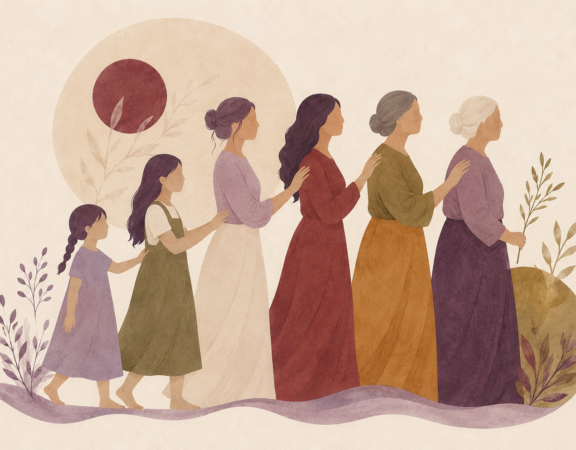
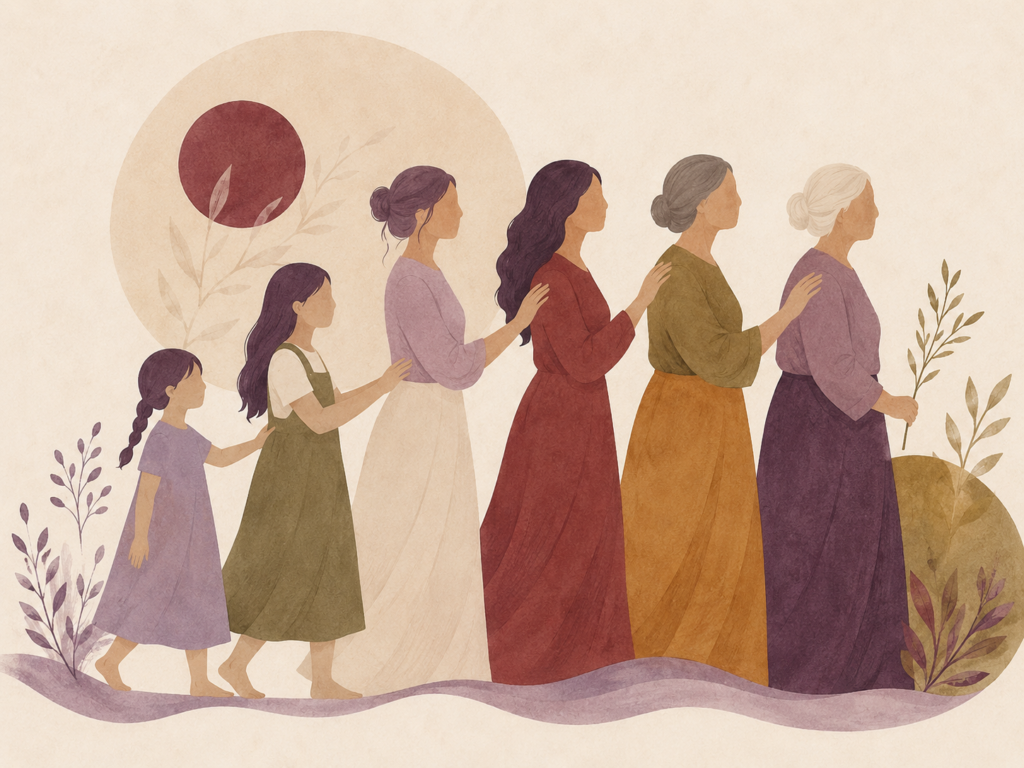
However it happened, it’s important to stop, to look at it honestly, and to learn the lessons it holds — not to stay in the pain, but to teach the generations that come after us. To stop the pattern. To do the healing work that transforms the wound into empowerment.
As a woman who has also experienced sexual abuse, I carry deep compassion and understanding for my clients. And still, I’m sometimes struck by how disorienting it is when the abuser is a family member. Isn’t it shocking? Why don’t mothers protect their daughters? Why don’t they protect themselves? How many generations does this pattern travel through before someone finally breaks it?
Where the Pattern Comes From
In my sessions, I’ve helped clients release this pattern across four to six generations of their family line — but there’s no real limit. We can go as far back as the root cause, which is often lifetimes ago, held in the body long before the client was born.
Religion has played its part. For generations, sexuality was framed as sin — something forbidden, shameful, spoken of only in whispers if at all. That framing didn’t stop abuse from happening; it just made it harder to name. Shame took root where honesty should have lived, and silence became the default inheritance passed from mother to daughter.
Hormones are part of the conversation too, but carefully. It’s tempting to point to testosterone as an explanation for male aggression, but the research doesn’t support that as an excuse. Studies consistently show only a weak, inconsistent link between testosterone and aggressive behaviour — culture, upbringing, and personal choice play a far bigger role than biology. Understanding the body is part of this healing work, but biology is never a justification for violating someone else’s boundaries.
And then there’s education — or the lack of it. So many of us were never taught what a boundary is, how to recognise manipulation, or that our bodies belong to us first. Without that education, both the potential for harm and the potential for silence grow. Teaching the next generation to name abuse, trust their instincts, and speak rather than hide is one of the most protective things we can do.
I’m sure others have written about this before me. But right now, this subject feels especially alive for me — not only through my clients, but through my own recent experience navigating relationships with people showing narcissistic patterns.
Turning the Wound Into Empowerment
Healing doesn’t erase what happened. It changes your relationship to it. If any part of this resonates with you, here is where to begin:
You are not what happened to you. You are what you choose to do with it now.
If this resonates with you, I invite you to book a session. Together, we can look at what your body has been carrying, and begin to turn it into strength.